Summary | Excerpt | Reviews | Readalikes | Genres & Themes | Author Bio
Critics' Opinion:
Readers' Opinion:
First Published:
Feb 2000, 279 pages
Paperback:
Dec 2001, 304 pages

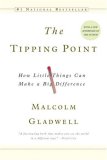
In one experiment, for example, Latane and Darley had a student alone in a room stage an epileptic fit. When there was just one person next door, listening, that person rushed to the student's aid 85 percent of the time. But when subjects thought that there were four others also overhearing the seizure, they came to the student's aid only 31 percent of the time. In another experiment, people who saw smoke seeping out from under a doorway would report it 75 percent of the time when they were on their own, but the incident would be reported only 38 percent of the time when they were in a group. When people are in a group, in other words, responsibility for acting is diffused. They assume that someone else will make the call, or they assume that because no one else is acting, the apparent problem — the seizure-like sounds from the other room, the smoke from the door — isn't really a problem. In the case of Kitty Genovese, then, social psychologists like Latane and Darley argue, the lesson is not that no one called despite the fact that thirty-eight people heard her scream; it's that no one called because thirty-eight people heard her scream. Ironically, had she been attacked on a lonely street with just one witness, she might have lived.
The key to getting people to change their behavior, in other words, to care about their neighbor in distress, sometimes lies with the smallest details of their immediate situation. The Power of Context says that human beings are a lot more sensitive to their environment than they may seem.
4
The three rules of the Tipping Point — the Law of the Few, the Stickiness Factor, the Power of Context — offer a way of making sense of epidemics. They provide us with direction for how to go about reaching a Tipping Point. The balance of this book will take these ideas and apply them to other puzzling situations and epidemics from the world around us. How do these three rules help us understand teenage smoking, for example, or the phenomenon of word of mouth, or crime, or the rise of a bestseller? The answers may surprise you.
© 2000 by Malcolm Gladwell






The Flower Sisters
by Michelle Collins Anderson
From the new Fannie Flagg of the Ozarks, a richly-woven story of family, forgiveness, and reinvention.
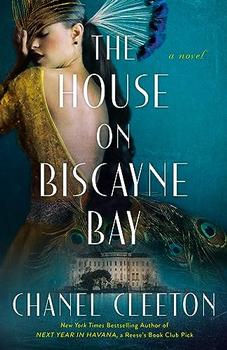
The House on Biscayne Bay
by Chanel Cleeton
As death stalks a gothic mansion in Miami, the lives of two women intertwine as the past and present collide.
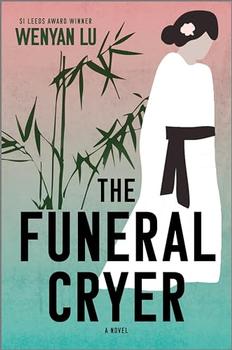
The Funeral Cryer by Wenyan Lu
Debut novelist Wenyan Lu brings us this witty yet profound story about one woman's midlife reawakening in contemporary rural China.
Your guide toexceptional books
BookBrowse seeks out and recommends the best in contemporary fiction and nonfiction—books that not only engage and entertain but also deepen our understanding of ourselves and the world around us.