Summary | Excerpt | Reading Guide | Reviews | Readalikes | Genres & Themes | Author Bio
Critics' Opinion:
Readers' Opinion:
First Published:
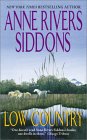
Jun 1998, 290 pages
Paperback:
May 1999, 480 pages

I think I'll go over to the island for a few days," I said to my husband at breakfast, and then, when he did not respond, I said, "The light's beautiful. It can't last. I hate to waste it. We won't get this pure gold again until this time next year."
Clay smiled, but he did not put down his newspaper, and he did not speak. The smile made my stomach dip and rise again, as it has for the past twenty-five years. Clay's smile is wonderful, slow and unstinting and a bit crooked, and gains much of its power from the surrounding austerity of his sharp, thin face. Over the years I have seen it disarm a legion of people, from two-year-olds in mid-tantrum to Arab sheiks in same. Even though I knew that this smile was little more than a twitch, and with no more perception behind it, I felt my own mouth smiling back. I wondered, as I often do, how he could do that, smile as though you had absolutely delighted him when he had not heard a word you said.
"There is a rabid armadillo approaching you from behind," I said. "It's so close I can see the froth. It's not a pretty sight."
"I heard you," he said. "You want to go over to the island because the light's good. It can't last."
I waited, but he did not speak again, or raise his eyes.
Finally I said, "So? Is that okay with you?"
This time he did look up.
"Why do you ask? You don't need my permission to go over to the island. When did I ever stop you?"
His voice was level and reasonable; it is seldom anything else. I knew that he did not like me to go over to the island alone, though, for a number of reasons that we had discussed and one that we had not, yet.
The island is wild and largely undeveloped now, except for a tiny settlement on its southwestern tip, and there are wild animals living on it that are hostile to humans, and sometimes dangerous. It is home to a formidable colony of alligators, some more than twelve feet long, and a handful of wild boar that make up in ferocity what they lack in numbers. Rattlesnakes and water moccasins are a given. Even the band of sullen wild ponies that have lived there on the grassy hummocks between the creeks and inlets since time out of mind are not the amiable toys they seem. A small child from the settlement was badly kicked only last year, when he got too close to a mare nursing her foal. Clay knows that I have been handling myself easily and well on the island since I was a child, but he mistrusts what he calls my impetuosity more than he trusts my long experience and exemplary safety record.
Then there is the settlement itself, Dayclear. That beautiful word is Gullah, part of the strange and lyrical amalgam of West African and Colonial English once spoken by the handful of Gullah blacks still living in pockets of the South Carolina Lowcountry. They are the descendants of the slaves brought here by the first white settlers of these archipelagos and marshes, and some of the elders still speak the old patois among themselves. When I was a child I knew some of it myself, a few words taught me by various Gullah nurses and cooks, a few snatches of songs sung by gardeners and handymen on my grandfather's place. I know that Dayclear means "dawn." I have always loved the word, and I have always been aware of the settlement, even if I did not often visit it when I was growing up and have no occasion to do so now. I do know that it is made up now largely of the old, with a preponderance of frail old women, and that some of them must be the kin of those workers of my childhood, if not the actual people themselves. I know that there are virtually no young men and women living there, since the young leave the island as soon as they are physically able to do so, to seek whatever fortunes they might find elsewhere. There is nothing for them in Dayclear. There are children, small ones, left behind with the old women by daughters and granddaughters who have taken flight, and there are sometimes silent, empty-faced young men about, who have come home because they are in trouble and have, temporarily, nowhere else to go, but they do not stay long.

LOW COUNTRY. Copyright (c) 1998 by Anne Rivers Siddon. Reprinted with permission from HarperCollins Publishers, Inc.. All rights reserved.



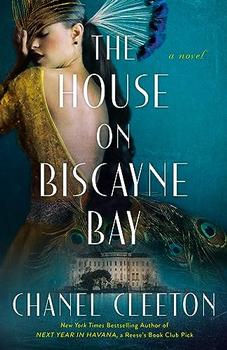
The House on Biscayne Bay
by Chanel Cleeton
As death stalks a gothic mansion in Miami, the lives of two women intertwine as the past and present collide.

The Flower Sisters
by Michelle Collins Anderson
From the new Fannie Flagg of the Ozarks, a richly-woven story of family, forgiveness, and reinvention.

The Funeral Cryer by Wenyan Lu
Debut novelist Wenyan Lu brings us this witty yet profound story about one woman's midlife reawakening in contemporary rural China.
Your guide toexceptional books
BookBrowse seeks out and recommends the best in contemporary fiction and nonfiction—books that not only engage and entertain but also deepen our understanding of ourselves and the world around us.