Summary | Excerpt | Reading Guide | Reviews | Readalikes | Genres & Themes | Author Bio

Critics' Opinion:
Readers' Opinion:
First Published:
Jan 1998, 280 pages
Paperback:
Jan 1999, 243 pages

Chapter One
SOMEWHERE IN THE BRONX, only twenty minutes or so from the cemetery, Maeve found a small bar-and-grill in a wooded alcove set well off the street that was willing to serve the funeral party of forty-seven medium-rare roast beef and boiled potatoes and green beans amandine, with fruit salad to begin and vanilla ice cream to go with the coffee. Pitchers of beer and of iced tea would be placed along the table at intervals and the bar left open--it being a regular business day--for anyone who wanted a drink.
The place was at the end of a sloping driveway that started out as macadam but quickly diminished to dirt and gravel. There was an apron of dirt and gravel in front of the building, potholed, and on the day of the funeral filled with puddles, and the first ten cars parked here, including the black limousine Maeve had ridden in. The others parked up along the drive, first along one side, then the other the members of the funeral party walking in their fourth procession of the day (the first had been out of the church the second and third in and out of the graveyard), down the wet and rutted path to the little restaurant that, lacking only draught Guinness and a peat fire might have been a pub in rural Ireland. Or, lacking dialogue by John Millington Synge the set of a rural Irish play.
How in the world she ever found this place was a mystery despite the question being asked again and again as Billy's friends and family filed in--the women in high heels walking on tiptoe down the sloping path the men holding their wives' arms and umbrellas that had already been well soaked at the side of the grave. All of them in their church clothes giving a formal air to the gray day and the ragged border of city trees and wet weeds. All of them speculating: perhaps the undertaker had suggested the place, or someone from the cemetery. Perhaps a friend friend or relative on her side (few as they were) who knew something about the Bronx, or maybe Mickey Quinn, who had his territory up here. But Mickey Quinn denied it, shaking his head, if you can believe there's a bar in any of the five boroughs that he hasn't been to.
The place smelled slightly of mildew, understandable in this weather and with this thick (even in April) bower of trees but the red-and-green tile floor was immaculate and the wooden bar gleamed under the fluorescent light. One long table draped with white tablecloths and set for forty-nine cut diagonally across the entire length of the room. One large window showed the parking lot full of cars, the other a wood that no doubt ended at a narrow side street or a row of dumpsters behind a row of stores, but seemed from in here to be dark and endlessly deep.
Maeve sat in front of this window, at the head of the table. She wore a navy-blue dress with long, slim sleeves and a round neckline, and anyone in the room who had not thought it earlier thought now--perhaps inspired by the perfect simplicity of what she wore--that there was a kind of beauty in her ordinary looks, in her plainness. Or, if they didn't think to call it beauty, they said courage--more appropriate to the occasion and the day--not meaning necessarily her new-widow's courage (with its attendant new-widow's cliches: bearing up, holding on, doing well), but the courage it took to look out onto life from a face as plain as butter: pale, downy skin and bland blue eyes, faded brown hair cut short as a nun's and dimmed with gray. Only a touch of powder and of lipstick, only a wedding band and a small pearl ring for adornment.
Of course, they'd thought her courageous all along (most of them, anyway, or--most likely--all but my father), living with Billy as she did; but now, seeing her at the head of the table, Billy gone (there would be time enough throughout the afternoon to say it's unbelievable still), her courage, or her beauty, however they chose to refer to it, became something new--which made something new, in turn, of what they might say about Billy's life. Because if she was beautiful, then the story of his life, or the story they would begin to re-create for him this afternoon, would have to take another turn.
From Charming Billy, by Alice McDermott. © 1997 by Alice McDermott, used by permission of the publisher Farrar Stead & Giroux




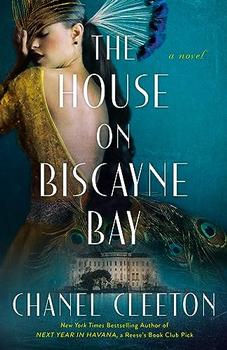
The House on Biscayne Bay
by Chanel Cleeton
As death stalks a gothic mansion in Miami, the lives of two women intertwine as the past and present collide.
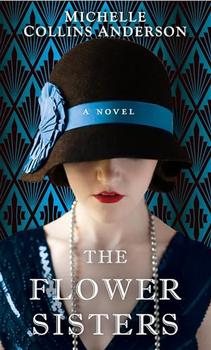
The Flower Sisters
by Michelle Collins Anderson
From the new Fannie Flagg of the Ozarks, a richly-woven story of family, forgiveness, and reinvention.

The Funeral Cryer by Wenyan Lu
Debut novelist Wenyan Lu brings us this witty yet profound story about one woman's midlife reawakening in contemporary rural China.
Your guide toexceptional books
BookBrowse seeks out and recommends the best in contemporary fiction and nonfiction—books that not only engage and entertain but also deepen our understanding of ourselves and the world around us.