Summary | Excerpt | Reviews | Readalikes | Genres & Themes | Author Bio
Critics' Opinion:
Readers' Opinion:
First Published:
Jun 1998, 496 pages
Paperback:
Jun 1999, 255 pages

Chapter One: The Chamber
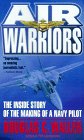
McKinney inhaled deeply the smell of nylon canvas and metal and plastic from the flight equipment room. For three weeks he had been sitting through dreary classes, about as far as it seemed to him that he could get from anything having to do with flying. Now he was finally being fitted for a helmet and oxygen mask. The helmet wasn't too small or large like the ones he had been told to wear in the past. This time it fit perfectly. A sailor measured the distance from his nose to chin for the size of the oxygen mask that would clamp snugly to his face. For the first time in his training, Charles G. McKinney II, ensign United States Navy, felt like a pilot.
McKinney walked to the room next door. Its whitewashed, cinder block walls reached two stories high. In the middle sat the chamber, a white steel box the size of a railroad car with green tinted glass windows around it and a control panel at one end with dials and switches that would activate giant pumps to suck out the air from its insides. Before walking in, McKinney twisted off the college class ring from his finger and laid it on a red wood tray. He didn't want the ring's stone popping out when technicians lowered the air pressure inside.
Once in a while, a flight student would freak out before entering the chamber, overcome by the thought of being sealed shut in a sterile coffin gasping for air. McKinney found it almost exciting. The movie The Right Stuff, where astronauts become guinea pigs in tests just like this, passed through his mind. Finally he was doing something, not just reading about what it was like to fly.
It could take more than two years of training to become a fully qualified Navy pilot. But before ever setting foot near a plane, a student had to endure six weeks of what was called Aviation Pre-Flight Indoctrination. Forget the enemy for the moment. Flying itself was an unnatural act for humans. At high altitudes the world in which a combat pilot worked was alien and unforgiving. Over an ocean -- the principal domain for Navy pilots -- it was even more hostile. Only the most physically and mentally fit survived in this deadly environment. Preflight indoctrination taught the student the basics of the aircraft, its engine, the winds that buffeted it from the outside, the complex rules of the road that governed aircraft flight. The six weeks also began to teach the student the dangers of flight, how he must react when things went wrong in the sky and over the water -- or, as McKinney was soon to discover, when there was little oxygen around him.
The indoctrination began at Pensacola, Florida, the military and cultural home of Naval aviation. In 1862, a mosquito-infested, sandy flat overgrown with pine trees and magnolias and crawling with alligators had been set aside by Congress along Florida's panhandle for the naval base. When a handful of oddball officers experimenting with contraptions called "flying machines" later convinced the Navy that it needed an Aeronautic Service, hidebound admirals in 1914 plunked the new branch at the dilapidated Pensacola yard -- about as far away from Washington as they thought they could send the silly notion.
But the idea of flying planes off ships slowly caught on. By the end of World War I, the Pensacola Naval Air Station was one of the largest in the world. By World War II, the station mass-produced 22,000 pilots a year. The Naval aviation mafia became as powerful as the fiefdoms that sailed the service's ships and submarines. Today, the number of aviation students who are graduated is far smaller; only about 1,100 undergo the highly coveted training each year and the instruction is conducted at naval air stations scattered around the United States. But the indoctrination into flying -- and a way of life like no other in the civilian world -- still begins at the Pensacola Naval Air Station with its lush green lawns, drooping palm trees, the gentle Pensacola Bay off the coast, steamy hot summers, and training aircraft constantly buzzing overhead.
Copyright © 1998 by Douglas C. Waller





The Flower Sisters
by Michelle Collins Anderson
From the new Fannie Flagg of the Ozarks, a richly-woven story of family, forgiveness, and reinvention.

The Stone Home
by Crystal Hana Kim
A moving family drama and coming-of-age story revealing a dark corner of South Korean history.

The Funeral Cryer by Wenyan Lu
Debut novelist Wenyan Lu brings us this witty yet profound story about one woman's midlife reawakening in contemporary rural China.
Your guide toexceptional books
BookBrowse seeks out and recommends the best in contemporary fiction and nonfiction—books that not only engage and entertain but also deepen our understanding of ourselves and the world around us.