Summary | Excerpt | Reviews | Beyond the Book | Readalikes | Genres & Themes | Author Bio
Critics' Opinion:
Readers' Opinion:
First Published:
Feb 2006, 336 pages
Paperback:
Jan 2007, 336 pages

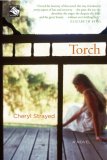
1
She ached. As if her spine were a zipper and someone had come up behind
her and unzipped it and pushed his hands into her organs and squeezed, as
if they were butter or dough, or grapes to be smashed for wine. At other
times it was something sharp like diamonds or shards of glass engraving her
bones. Teresa explained these sensations to the doctor —the zipper, the
grapes, the diamonds, and the glass—while he sat on his little stool with
wheels and wrote in a notebook. He continued to write after she'd stopped
speaking, his head cocked and still like a dog listening to a sound that was
distinct, but far off. It was late afternoon, the end of a long day of tests, and
he was the final doctor, the real doctor, the one who would tell her at last
what was wrong.
Teresa held her earrings in the palm of one hand—dried violets
pressed between tiny panes of glass—and put them on, still getting dressed
after hours of going from one room to the next in a hospital gown. She
examined her shirt for lint and cat hair, errant pieces of thread, and primly
picked them off. She looked at Bruce, who looked out the window at a ship in
the harbor, which cut elegantly, tranquilly along the surface of the lake, as if
it weren't January, as if it weren't Minnesota, as if it weren't ice.
At the moment she wasn't in pain and she told the doctor this
while he wrote. "There are long stretches of time that I feel perfectly fine," she
said, and laughed the way she did with strangers. She confessed that she
wouldn't be surprised if she were going mad or perhaps this was the
beginning of menopause or maybe she had walking pneumonia. Walking
pneumonia had been her latest theory, the one she liked best. The one that
explained the cough, the ache. The one that could have made her spine into
a zipper.
"I'd like to have one more glance," the doctor said, looking up at
her as if he had risen from a trance. He was young. Younger. Was he thirty?
she wondered. He instructed her to take her clothes off again and gave her a
fresh gown to wear and then left the room.
She undressed slowly, tentatively at first, and then quickly,
crouching, as if Bruce had never seen her naked. The sun shone into the
room and made everything lilac.
"The light—it's so pretty," she said, and stepped up to sit on the
examining table. A rosy slice of her abdomen peeped out from a gap in the
gown, and she mended it shut with her hands. She was thirsty but not
allowed a drop of water. Hungry, from having not eaten since the night
before. "I'm starving."
"That's good," said Bruce. "Appetite means that you're healthy."
His face was red and dry and cracked-looking, as if he'd just come in from
plowing the driveway, though he'd been with her all day, going from one
section of the hospital to the next, reading what he could find in the waiting
rooms. Reading Reader's Digest and Newsweek and Self against his will but
reading hungrily, avidly, from cover to cover. Throughout the day, in the small
spaces of time in which she too had had to wait, he'd told her the stories.
About an old woman who'd been bludgeoned to death by a boy she'd hired to
build a doghouse. About a movie star who'd been forced by divorce to sell his
boat. About a man in Kentucky who'd run a marathon in spite of the fact that
he had only one foot, the other made of metal, a complicated, sturdy coil
fitted into a shoe.
The doctor knocked, then burst in without waiting for an answer.
He washed his hands and brought his little black instrument out, the one with
the tiny light, and peered into her eyes, her ears, her mouth. She could smell
the cinnamon gum he chewed and also the soap he'd used before he
touched her. She kept herself from blinking while staring directly into the
bullet of light, and then, when he asked, followed his pen expertly around the
room using only her eyes.
Copyright © 2005 by Cheryl Strayed. Reprinted by permission of Houghton Mifflin Company.


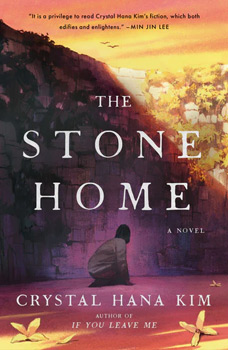
The Stone Home
by Crystal Hana Kim
A moving family drama and coming-of-age story revealing a dark corner of South Korean history.
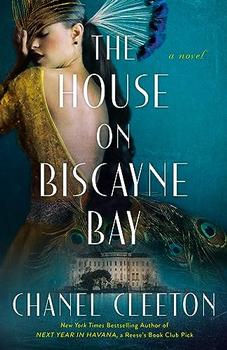
The House on Biscayne Bay
by Chanel Cleeton
As death stalks a gothic mansion in Miami, the lives of two women intertwine as the past and present collide.
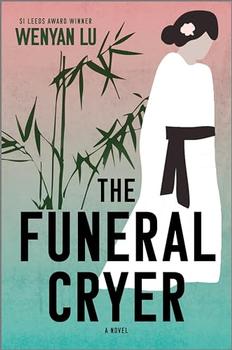
The Funeral Cryer by Wenyan Lu
Debut novelist Wenyan Lu brings us this witty yet profound story about one woman's midlife reawakening in contemporary rural China.
Your guide toexceptional books
BookBrowse seeks out and recommends the best in contemporary fiction and nonfiction—books that not only engage and entertain but also deepen our understanding of ourselves and the world around us.