Anne River Siddons was born in 1936 in Fairburn, Georgia. The only child of a prestigious Atlanta lawyer and his wife, Siddons was raised to be a perfect Southern belle. Growing up, she did what was expected of her: getting straight A's, becoming head cheerleader, the homecoming queen, and then Centennial Queen of Fairburn. At Auburn University she studied illustration, joined the Tri-Delt sorority, and "did the things I thought I should. I dated the right guys. I did the right activities," and wound up voted "Loveliest of the Plains."
While at Auburn she wrote a column for the student newspaper, The Auburn Plainsman, that favored integration. The university administration attempted to suppress the column, and ultimately fired her, and the column garnered national attention. She later became a senior editor for Atlanta magazine. At the age of thirty she married Heyward Siddons, who died April 8, 2014.
She lives in Charleston, South Carolina, and spends summers in Maine.
Her works include Heartbreak Hotel (1976), The House Next Door (1978), Fox's Earth (1981), Peachtree Road (1988), Kings Oak (1990), Hill Towns (1993), Downtown (1994), Fault Lines (1995), Islands (2004), Sweetwater Creek (2005), Off Season (2008), Burnt Mountain (2010).
This bio was last updated on 10/20/2014. In a perfect world, we would like to keep all of BookBrowse's biographies up to date, but with many thousands of lives to keep track of it's simply impossible to do. So, if the date of this bio is not recent, you may wish to do an internet search for a more current source, such as the author's website or social media presence. If you are the author or publisher and would like us to update this biography, send the complete text and we will replace the old with the new.
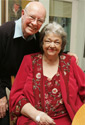
Maeve Binchy was born in a small village outside Dublin. She spent her childhood in Dalkey, an experience she draws on today when creating the rural villages usually at the heart of her novels. After receiving her B... (more)
If you enjoyed:
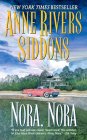
Nora, Nora
Try:
Tara Road
by Maeve Binchy

Judy Blume spent her childhood in Elizabeth, New Jersey. Adults as well as children will recognize such Blume titles as: Are You There God? It's Me, Margaret; Blubber; Just as Long as We're Together; and the five book series ... (more)
If you enjoyed:
Nora, Nora
Try:
Summer Sisters
by Judy Blume
We recommend 10 similar authors



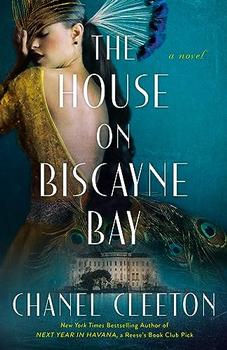
The House on Biscayne Bay
by Chanel Cleeton
As death stalks a gothic mansion in Miami, the lives of two women intertwine as the past and present collide.
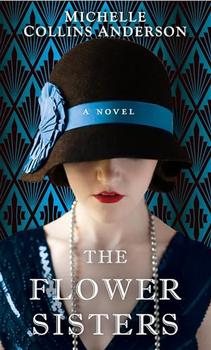
The Flower Sisters
by Michelle Collins Anderson
From the new Fannie Flagg of the Ozarks, a richly-woven story of family, forgiveness, and reinvention.
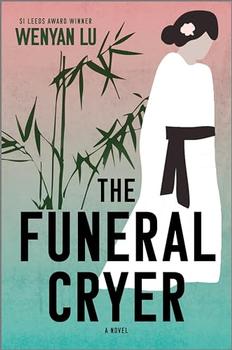
The Funeral Cryer by Wenyan Lu
Debut novelist Wenyan Lu brings us this witty yet profound story about one woman's midlife reawakening in contemporary rural China.
Your guide toexceptional books
BookBrowse seeks out and recommends the best in contemporary fiction and nonfiction—books that not only engage and entertain but also deepen our understanding of ourselves and the world around us.