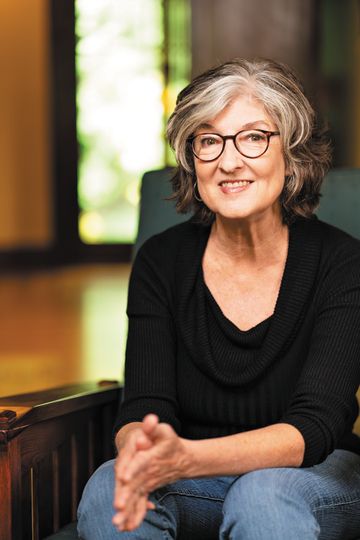
Barbara Kingsolver was born in 1955, and grew up in rural Kentucky. She earned degrees in biology from DePauw University and the University of Arizona, and has worked as a freelance writer and author since 1985. At various times in her adult life she has lived in England, France, and the Canary Islands, and has worked in Europe, Africa, Asia, Mexico, and South America. She spent two decades in Tucson, Arizona, before moving to southwestern Virginia where she currently resides.
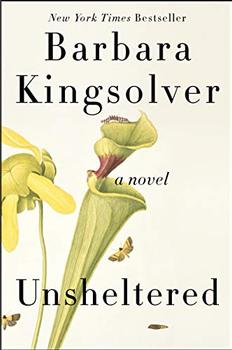
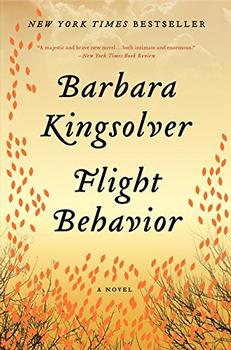
Her books, in order of publication, are: The Bean Trees (1988), Homeland (1989), Holding the Line: Women in the Great Arizona Mine Strike (1989), Animal Dreams (1990), Another America (1992), Pigs in Heaven (1993), High Tide in Tucson (1995), The Poisonwood Bible (1998), Prodigal Summer (2000), Small Wonder (2002), Last Stand: America's Virgin Lands, with photographer Annie Griffiths Belt (2002), Animal, Vegetable, Miracle: A Year of Food Life (2007), The Lacuna (2009), Flight Behavior (2012), Unsheltered (2018), and How To Fly (In 10,000 Easy Lessons) (2020). She served as editor for Best American Short Stories 2001. Her books have been translated into more than two dozen languages, and have been adopted into the core literature curriculum in high schools and colleges throughout the nation. She has contributed to more than fifty literary anthologies, and her reviews and articles have appeared in most major U.S. newspapers and magazines.
Kingsolver was named one the most important writers of the 20th Century by Writers Digest. In 2000 she received the National Humanities Medal, our country's highest honor for service through the arts. Critical acclaim for her books includes multiple awards from the American Booksellers Association and the American Library Association, among many others. The Poisonwood Bible was a finalist for the Pulitzer Prize and the Orange Prize, and won the national book award of South Africa, before being named an Oprah Book Club selection. Animal, Vegetable, Miracle won numerous prizes including the James Beard award. The Lacuna won Britain's prestigious Orange Prize for Fiction in 2010. In 2011, Kingsolver was awarded the Dayton Literary Peace Prize for the body of her work. She is a member of the American Academy of Arts and Letters.
Kingsolver established the Bellwether Prize for Fiction, the nation's largest prize for an unpublished first novel, which since 1998 has helped to establish the careers of more than a half dozen new literary voices. Through a recent agreement, the prize has now become the PEN / Bellwether Prize for Socially Engaged Fiction.
She has two daughters, Camille (born in 1987) and Lily (1996). Her husband, Steven Hopp, teaches environmental studies. Since June 2004, Barbara and her family have lived on a farm in southern Appalachia, where they raise an extensive vegetable garden and Icelandic sheep. Barbara believes her best work is accomplished through writing and being an active citizen of her own community. She is grateful for the good will and support of her readers.
Barbara Kingsolver's website
This bio was last updated on 09/29/2022. In a perfect world, we would like to keep all of BookBrowse's biographies up to date, but with many thousands of lives to keep track of it's simply impossible to do. So, if the date of this bio is not recent, you may wish to do an internet search for a more current source, such as the author's website or social media presence. If you are the author or publisher and would like us to update this biography, send the complete text and we will replace the old with the new.
Christina Adam was born in 1947. Her award-winning stories appeared in many literary journals as well as The Atlantic Monthly and Cosmopolitan. Her work has been anthologized in Circle of Women: An Anthology of Contemporary ... (more)
If you enjoyed:
Small Wonder
Try:
Any Small Thing Can Save You
by Christina Adam
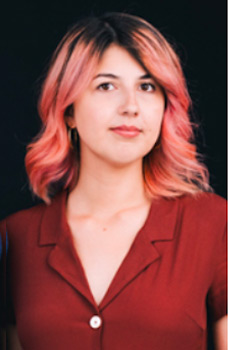
Dani Anguiano writes for the Guardian and was formerly a reporter for the Chico Enterprise-Record, where she covered Butte County, including Chico and Paradise. Having lived in Butte County for a decade, Anguiano now resides ... (more)
If you enjoyed:
Flight Behavior
Try:
Fire in Paradise
by Dani Anguiano
We recommend 95 similar authors

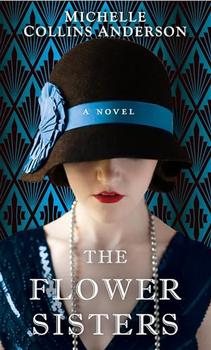
The Flower Sisters
by Michelle Collins Anderson
From the new Fannie Flagg of the Ozarks, a richly-woven story of family, forgiveness, and reinvention.
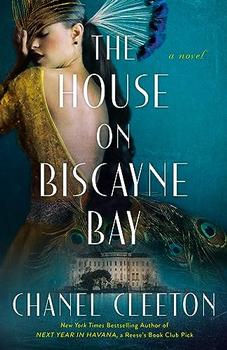
The House on Biscayne Bay
by Chanel Cleeton
As death stalks a gothic mansion in Miami, the lives of two women intertwine as the past and present collide.
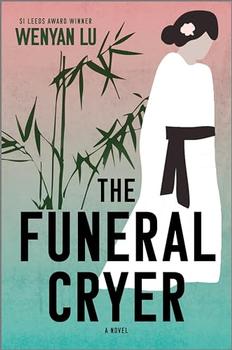
The Funeral Cryer by Wenyan Lu
Debut novelist Wenyan Lu brings us this witty yet profound story about one woman's midlife reawakening in contemporary rural China.
Your guide toexceptional books
BookBrowse seeks out and recommends the best in contemporary fiction and nonfiction—books that not only engage and entertain but also deepen our understanding of ourselves and the world around us.