Critics' Opinion:
Readers' rating:
Published Oct 2007
336 pages
Genre: Historical Fiction
Publication Information
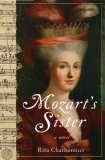
Maria Anna Walburga Ignatia Mozart, affectionately called Nannerl by her family, could play the piano with an otherworldly skill from the time she was a child, when her tiny hands seemed too small to encompass a fifth. At the tender age of five, she gave her first public performance, amazing the assembled gentlemen and ladies with the beautiful music she created. But her moment of glory was cut short, for even as her father carried her around to receive their praise, her mother began laboring to bring a second child into the world. After hours of her mother's pained cries and agonized shouts, which rang in Nannerl's ears like a terrifying symphony, the child was born. They named him Wolfgang.
Nannerl loved him instantly. As they grew, Wolfgang and his sister became inseparable, creating a fantasy world together and playing music the likes of which no one had ever heard. They were two sides of a single person, opposite in temperament—he lighthearted and charismatic, she shy and retiring—but equal in talent. Yet it was Wolfgang who carried their father's dreams of glory.
And as the siblings matured, Nannerl’s prodigious talent was brushed aside by her father. Instead of playing alongside her brother in the world’s great cities, she was forced to stop performing and become a provincial piano teacher to support Wolfgang’s career. Nannerl might have accepted this life in her brother’s shadow but for the appearance of a potential suitor who reawakened her passion for life, for love, for music—and who threatened to upset the delicate balance that kept the Mozart family in harmony.
"A moving tribute to the spirit of a forgotten sibling. Music imbues every gripping page, and in revealing Nannerl, Charbonnier also gives us a different view of Mozart, both rounding out and exploding the myths of his brief, tragic life." -Susanne Dunlap, author of Emilie’s Voice and Liszt’s Kiss.
"A dysfunctional family, sex scandals, and true love? - eighteenth-century Europe was a far different world from ours, yet Rita Charbonnier's skill and verve make us feel at home, and we cheer for the brilliant, resilient Nannerl as she struggles to become much more than Mozart's sister." - Karen Harper, author of The Last Boleyn.
"If you sympathized with Salieri when you watched Amadeus, wait until you find out what happened to Nannerl, Mozart’s sister. As brilliantly talented as her younger brother, she had a famous musical career that was ruthlessly turned into a mere addendum to his. Mozart's Sister brings an intriguing woman back to life." - India Edghill, author of Wisdom’s Daughter.
This information about Mozart's Sister was first featured
in "The BookBrowse Review" - BookBrowse's membership magazine, and in our weekly "Publishing This Week" newsletter. Publication information is for the USA, and (unless stated otherwise) represents the first print edition. The reviews are necessarily limited to those that were available to us ahead of publication. If you are the publisher or author and feel that they do not properly reflect the range of media opinion now available, send us a message with the mainstream reviews that you would like to see added.
Any "Author Information" displayed below reflects the author's biography at the time this particular book was published.
Rita Charbonnier's was born in Vicenza, in the north of the country, and lives in Rome. She has studied piano and opera singing. Mozart's Sister is her first novel.
Follow Rita at https://www.ritacharbonnier.com/
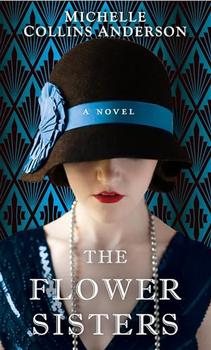
The Flower Sisters
by Michelle Collins Anderson
From the new Fannie Flagg of the Ozarks, a richly-woven story of family, forgiveness, and reinvention.
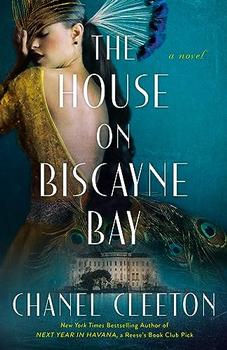
The House on Biscayne Bay
by Chanel Cleeton
As death stalks a gothic mansion in Miami, the lives of two women intertwine as the past and present collide.
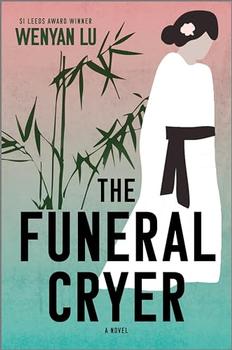
The Funeral Cryer by Wenyan Lu
Debut novelist Wenyan Lu brings us this witty yet profound story about one woman's midlife reawakening in contemporary rural China.
Your guide toexceptional books
BookBrowse seeks out and recommends the best in contemporary fiction and nonfiction—books that not only engage and entertain but also deepen our understanding of ourselves and the world around us.