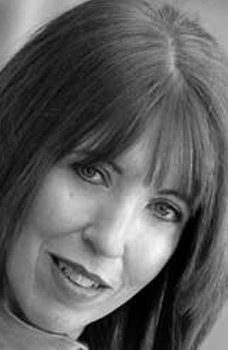
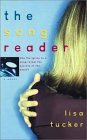
Lisa Tucker discusses the theory behind The Song Reader, her own song reading experiences, and how nineteenth-century American writers inspired her own story line.
Song reading is such an unusual idea. Can you tell us how you came up
with it?
Like most writers, I've always been fascinated with words, but growing
up, we didn't have many books. We didn't even have magazines, but we always
had a record player. My earliest relationship with words was through songs,
and I've found that's true for a surprising number of people. The specific
idea of song reading came to me about ten years ago, when I became very
interested in psychology, especially how memory works. When it hit me that the
songs people remember may say something about them, I decided to test the
theory on my family and friends, just like Mary Beth does in the novel.
You've done song reading yourself then?
Yes, but I've never made any money for it, or even received afghans and
cakes like she does! Some of the charts in the book were developed from my
experiences; most are invented. Of course now that I've written this novel,
I'm always being asked questions about songs and I love that. When people tell
me about their music—favorite songs, favorite bands, the songs they can't
forget—I feel very honored. I know they are entrusting me with a little
piece of their heart.
Why did you decide to write about two sisters? Do you have a sister? Is
the novel in any sense autobiographical?
I decided to write about two sisters because that's what the narrator,
Leeann, was interested in talking about. It sounds odd, but the voice really
does control a lot more of the story than I understood before I became a
writer. Once I heard Leeann speaking to me, I had to follow her around, see
what she would show me next. That said, I've always been interested in
sisters, because I think it's such a complicated bond. The novel isn't
autobiographical except to the extent that I adore my own sister and am
grateful to her for believing in me and helping me understand the meaning of
family.
The Song Reader is very lyrical, but it also has been called a
page-turner. Was having a strong story line important to you as a writer?
Yes, definitely, because the novels I love the most work on many levels;
they have beautiful language and memorable characters, but they also have a
great plot. In graduate school I studied nineteenth-century American writers
like Hawthorne and Melville — and those writers told stories! Moby Dick
isn't just a treatise on language; it's an adventure story about a whale hunt.
The Scarlet Letter isn't only about American history; it's also a
beautiful tale of forbidden love. Some writers claim the traditional story
form is dead, but I couldn't disagree more. I think we will always need new
stories; they give shape and meaning to our lives.
Unless otherwise stated, this interview was conducted at the time the book was first published, and is reproduced with permission of the publisher. This interview may not be reproduced or reprinted without permission in writing from the copyright holder.

Chitra Banerjee Divakaruni is an award-winning and bestselling author, activist, and professor. Her work has been published in over fifty magazines, including The Atlantic and The New Yorker, and included in The Best American... (more)
If you enjoyed:
The Song Reader
Try:
Queen of Dreams
by Chitra Banerjee Divakaruni

Dayna Dunbar is a native Oklahoman who currently makes her home in Santa Monica, CA. She grew up in Yukon, a tightly knit farming and grain-milling town in Oklahoma, where most folks were relatives or family friends. This ... (more)
If you enjoyed:
The Song Reader
Try:
The Saints and Sinners of Okay County
by Dayna Dunbar
We recommend 4 similar authors

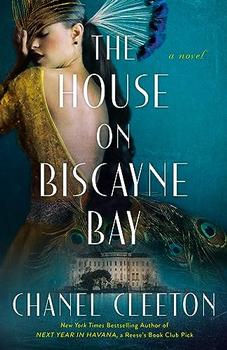
The House on Biscayne Bay
by Chanel Cleeton
As death stalks a gothic mansion in Miami, the lives of two women intertwine as the past and present collide.

The Flower Sisters
by Michelle Collins Anderson
From the new Fannie Flagg of the Ozarks, a richly-woven story of family, forgiveness, and reinvention.

The Funeral Cryer by Wenyan Lu
Debut novelist Wenyan Lu brings us this witty yet profound story about one woman's midlife reawakening in contemporary rural China.
Your guide toexceptional books
BookBrowse seeks out and recommends the best in contemporary fiction and nonfiction—books that not only engage and entertain but also deepen our understanding of ourselves and the world around us.